

Candidates for Parliament Must Never Do This – It’s Forbidden!
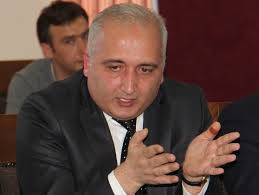
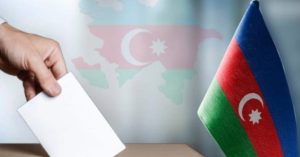
There are only 4 days left until the parliamentary elections in Azerbaijan. Officially registered candidates continue their campaigning efforts. As part of this process, they meet with voters and present their promises and the commitments they are ready to undertake.
Only 4 days remain until the parliamentary elections in Azerbaijan. Officially registered candidates continue their campaigning activities. As part of this process, candidates meet with voters, present their promises, and outline the commitments they are taking on.
Yesterday, Mirshahin Agayev, head of Real TV, commented on this process, criticizing candidates for making false promises during their campaigns:
“The promises and commitments they present to voters have nothing to do with a member of parliament’s actual powers. There are still a few days left. That’s why time must not be wasted. It’s necessary to change the subject and speak in line with the functions of an MP.”
This raises a question: What kind of promises are parliamentary candidates not allowed to make during the election campaign?
Responding to a request from Globalinfo.az, Rustam Babayev, Senior Advisor of the Media and Communications Department of the Central Election Commission Secretariat, said this issue is regulated by Article 88 of the Election Code of the Republic of Azerbaijan.
Rustam Babayev
Election technologist Vali Alibayov offered a different perspective:
“As you know, there are 125 electoral districts in Azerbaijan, and at least 5–6 candidates have been registered in each. Overall, there are more than 1,000 candidates. Under these circumstances, it would be, to put it mildly, incorrect to generalize that all candidates’ promises and commitments fall outside an MP’s authority. As a specialist, I have been monitoring pre-election campaigns and can say with certainty that many candidates do understand the powers and responsibilities of a member of parliament.”
Vali Alibayov
As for what promises candidates should not make: infrastructure-related pledges — such as building roads, gas and water pipelines, schools, hospitals, and other similar projects — fall into this category. MPs can play a mediating role between the state, business structures, and voters to help resolve such issues. However, their main duty is to pass laws that improve the lives and well-being of their constituents.
Safura Bannayeva
Source: Globalinfo.az article
About The Author




 English
  Azerbaijani